
End Strainers Insulators
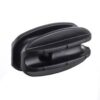
End strainer insulators provide critical electrical isolation at fence termination points where high-tension wire systems require reliable insulation from grounding through support posts. These specialized components maintain electrical integrity in electric fence installations while withstanding substantial mechanical stress from wire tension and environmental conditions that could compromise perimeter security effectiveness.
Electrical Insulation Performance and Safety Standards
Engineered from high-grade insulating materials, end strainer insulators prevent electrical current leakage that can reduce fence effectiveness and create safety hazards. Professional fence installers rely on these components to maintain proper voltage levels throughout the fence circuit while ensuring compliance with electrical safety regulations.
Insulation characteristics include:
- Dielectric Strength: High-voltage isolation capability prevents current leakage to ground
- Material Composition: UV-resistant polymer construction withstands outdoor exposure
- Voltage Rating: Designed for electric fence voltages typically ranging from 5,000 to 10,000 volts
- Leakage Resistance: Superior surface resistance prevents tracking and flashover
- Weather Protection: Sealed construction prevents moisture infiltration and performance degradation
- Temperature Stability: Consistent electrical properties across seasonal temperature variations
Mechanical Strength and Wire Tension Management
The robust construction of end strainer insulators accommodates the substantial mechanical forces present at fence termination points where wire tension reaches maximum levels. These insulators maintain structural integrity while preserving electrical isolation under conditions that would compromise lesser components.
Mechanical specifications encompass:
- Tensile Strength: Engineered to handle maximum recommended wire tensions without failure
- Impact Resistance: Durable construction withstands accidental contact and environmental impacts
- Mounting Security: Secure attachment methods prevent loosening under repeated stress cycles
- Wire Accommodation: Multiple wire gauge compatibility for various fence configurations
- Corrosion Resistance: Non-metallic construction eliminates galvanic corrosion concerns
- Dimensional Stability: Maintains precise geometry under load and temperature variations
Installation Applications and Fence System Integration
End strainer insulators serve essential functions in electric fence installations where proper electrical isolation ensures system effectiveness and regulatory compliance. Professional agricultural and security fence contractors specify these components for applications requiring dependable perimeter control and livestock management.
Common installation scenarios include:
- Agricultural Perimeter Fencing: Livestock containment systems requiring reliable electrical barriers
- Property Boundary Security: Perimeter protection for commercial and residential properties
- Game Reserve Fencing: Wildlife management applications with high-voltage requirements
- Industrial Site Protection: Secure perimeter control for sensitive facilities and storage areas
- Temporary Fence Systems: Portable electric fencing for events and construction sites
- Multi-Wire Configurations: Complex fence designs with multiple electrified strands
Material Technology and Environmental Durability
Manufactured from advanced polymer compounds, end strainer insulators resist degradation from ultraviolet radiation, temperature extremes, and chemical exposure common in outdoor environments. This material technology ensures long-term performance without the maintenance requirements associated with traditional ceramic or glass insulators.
Material advantages deliver:
- UV Stabilization: Additive packages prevent polymer degradation from solar exposure
- Chemical Resistance: Immunity to agricultural chemicals and environmental contaminants
- Thermal Cycling: Stable performance through freeze-thaw cycles and temperature extremes
- Impact Tolerance: Flexible construction absorbs impacts without brittle failure
- Color Stability: Pigmentation systems maintain appearance and visibility over time
- Electrical Consistency: Material properties remain stable throughout operational lifespan
Professional Installation Guidelines and Best Practices
Proper installation of end strainer insulators requires attention to mounting techniques and electrical safety practices that ensure optimal performance and regulatory compliance. Professional installers follow established procedures that maximize insulator effectiveness while maintaining safe working conditions.
Installation considerations include:
- Mounting Height: Optimal positioning for electrical clearance and mechanical stability
- Support Structure: Adequate post strength and foundation for anticipated loads
- Wire Routing: Proper conductor spacing to prevent flashover between components
- Grounding Isolation: Clearance requirements from grounded structures and vegetation
- Inspection Access: Positioning that facilitates routine maintenance and testing procedures
- Environmental Factors: Site-specific considerations for weather exposure and contamination potential
Maintenance Requirements and Performance Monitoring
End strainer insulators require periodic inspection to verify continued electrical and mechanical integrity throughout their service life. Regular maintenance protocols identify potential issues before they compromise fence system effectiveness or create safety hazards.
Maintenance procedures encompass:
- Visual Inspection: Monthly examination for cracks, tracking, or physical damage
- Electrical Testing: Annual verification of insulation resistance and voltage integrity
- Mounting Verification: Periodic confirmation of secure attachment and proper alignment
- Contamination Assessment: Cleaning of accumulated debris that could affect electrical performance
- Environmental Monitoring: Evaluation of vegetation growth and proximity to grounded objects
- Replacement Planning: Proactive component replacement based on inspection findings
Safety Standards and Regulatory Compliance
End strainer insulators meet established safety standards for electric fence installations while supporting compliance with local electrical codes and agricultural regulations. These components contribute to safe fence operation that protects both livestock and human personnel from electrical hazards.
Safety features provide:
- Electrical Isolation: Prevents accidental contact with energized fence components
- Mechanical Security: Robust construction prevents component failure under normal operating conditions
- Visual Identification: Clear marking and coloration for easy identification during maintenance
- Code Compliance: Design characteristics support adherence to electrical safety regulations
- Documentation Support: Technical specifications facilitate inspection and approval processes
Cost-Effective Perimeter Security Solution
End strainer insulators provide essential electrical isolation functionality at economical pricing that makes electric fencing accessible for diverse security and agricultural applications. This cost-effectiveness enables property owners to implement comprehensive perimeter control without excessive infrastructure investment.
Economic benefits include:
- Long Service Life: Durable construction minimizes replacement frequency and maintenance costs
- Installation Efficiency: Straightforward mounting procedures reduce labor requirements
- System Reliability: Dependable performance reduces service calls and operational disruptions
- Material Efficiency: Optimized design uses minimal material while maintaining performance standards
- Versatile Application: Single component type serves multiple fence configuration requirements