

Biometric access control systems
Over the past ten years, security has changed significantly, and one of the biggest developments in safeguarding physical areas is the use of biometric access control systems. These systems rely on distinct biological traits that are nearly impossible to duplicate or transfer, in contrast to conventional key cards or PIN codes that can be misplaced, stolen, or shared.
Biometric access control systems grant or deny access to secure areas based on unique physical characteristics such as voice recognition, iris patterns, fingerprints, or facial features. From science fiction to everyday life, this technology is safeguarding residential and commercial buildings in Kenya and beyond.
What Makes Biometric Access Control Systems Different?
The fundamental advantage lies in the uniqueness of biological identifiers. Your fingerprint remains consistent throughout your lifetime, making it an incredibly reliable form of identification. When someone approaches a secured door equipped with biometric access control systems, the scanner captures their biological data, compares it against stored templates, and makes an instant decision about access permission. This process typically takes less than three seconds, making it both secure and convenient for users. The system creates a mathematical template of the biological feature rather than storing the actual image, which enhances both security and privacy protection.
Core Technologies Behind Biometric Access Control Systems
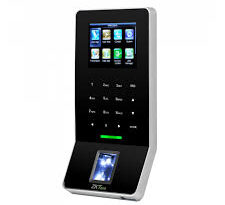
Fingerprint Recognition Technology
Modern facial recognition systems within biometric access control systems can function effectively in a variety of lighting conditions and even work with masks covering the lower portion of the face, making them particularly relevant in today’s health-conscious environment.
Facial recognition has gained significant traction in recent years, especially for high-traffic areas where touchless access is preferred. Their systems analyze facial geometry, measuring distances between key features like eyes, nose, and mouth.
Facial Recognition Capabilities
Facial recognition has gained significant traction in recent years, particularly for high-traffic areas where touchless access is preferred. These systems analyze facial geometry, measuring distances between key features like eyes, nose, and mouth.
Modern facial recognition within biometric access control systems can function effectively in various lighting conditions and can even work with masks covering the lower portion of the face, making them particularly relevant in today’s health-conscious environment.
Iris and Retinal Scanning
For maximum security applications, iris and retinal scanning offer unparalleled accuracy. The iris contains over 200 unique identifiable features, making it statistically more reliable than fingerprints. However, these systems typically cost more and require users to position themselves precisely for scanning.
Voice Recognition Integration
Voice biometrics analyze unique vocal characteristics including pitch, tone, and speech patterns. While less common as a standalone solution, voice recognition often serves as a secondary authentication factor in multi-modal biometric access control systems.
Strategic Implementation Considerations
Assessing Your Security Requirements
Before implementing biometric access control systems, organizations must evaluate their specific security needs. Consider factors such as the number of daily users, required security levels for different zones, and integration requirements with existing security infrastructure.
High-security facilities might benefit from multi-modal systems that combine fingerprint and facial recognition, while standard office environments might find single-factor fingerprint systems sufficient for their needs.
Environmental Factors and Performance
Environmental conditions significantly impact system performance. Dusty environments might affect fingerprint readers, while varying lighting conditions could challenge facial recognition systems. Understanding these factors helps in selecting the most appropriate technology for specific locations.
Temperature fluctuations, humidity levels, and exposure to direct sunlight all influence system reliability. Quality biometric access control systems include environmental compensation features to maintain consistent performance across varying conditions.
User Experience and Adoption
Successful implementation depends heavily on user acceptance. Systems should provide clear visual and audio feedback, intuitive operation, and minimal learning curves. Consider the diverse user base, including elderly individuals or those with physical limitations who might require alternative access methods.
Training programs and clear communication about privacy protections help ensure smooth adoption across organizations.
Advanced Features and Capabilities
Real-Time Monitoring and Analytics
Modern systems offer comprehensive monitoring capabilities, tracking access patterns, identifying unusual activities, and generating detailed reports. Administrators can monitor multiple locations simultaneously through centralized dashboards.
Analytics features help identify trends, optimize security protocols, and ensure compliance with regulatory requirements. Some systems can automatically flag suspicious patterns, such as multiple failed access attempts or access during unusual hours.
Integration with Security Ecosystems
Biometric access control systems integrate seamlessly with existing security infrastructure including CCTV systems, alarm networks, and building management systems. This integration creates comprehensive security ecosystems that provide layered protection.
API connectivity allows custom integrations with time attendance systems, visitor management platforms, and enterprise resource planning software, maximizing the return on investment.
Mobile and Cloud Connectivity
Contemporary systems offer mobile applications for remote monitoring and management. Cloud-based platforms provide scalability, automatic updates, and centralized management across multiple locations.
Mobile integration allows temporary access grants, real-time notifications, and remote system management, providing flexibility for security administrators.
Privacy and Compliance Framework
Data Protection Standards
Privacy protection represents a critical consideration in biometric system deployment. Leading systems employ template-based storage rather than actual biometric images, significantly reducing privacy risks while maintaining security effectiveness.
Encryption protocols protect stored data and transmission channels, ensuring that biometric information remains secure throughout the system lifecycle. Regular security audits and compliance certifications validate ongoing protection standards.
Regulatory Compliance
Organizations must navigate various regulatory requirements when implementing biometric systems. Understanding local data protection laws, industry-specific regulations, and international standards helps ensure compliant deployment.
Documentation of consent procedures, data handling practices, and retention policies supports regulatory compliance while building user trust in the system.
Return on Investment Analysis
Cost-Benefit Considerations
While biometric access control systems require higher initial investment compared to traditional solutions, they offer significant long-term benefits. Elimination of lost key cards, reduced administrative overhead, and improved security justify the investment for most organizations.
Consider factors such as replacement costs for traditional access credentials, administrative time spent managing access rights, and potential losses from security breaches when calculating total cost of ownership.
Operational Efficiency Gains
Biometric systems streamline access management processes, reducing the time spent issuing, tracking, and replacing access credentials. Automated audit trails simplify compliance reporting and security investigations.
Integration capabilities eliminate data silos and reduce manual processes, allowing security teams to focus on strategic activities rather than routine administrative tasks.
Future-Proofing Your Investment
Emerging Technologies
The biometric access control industry continues evolving with new technologies like behavioral biometrics, which analyze walking patterns and typing rhythms. Palm vein recognition and contactless fingerprint scanning represent additional emerging options.
Artificial intelligence integration enhances accuracy and reduces false positives while machine learning algorithms continuously improve system performance based on usage patterns.
Scalability Planning
Choose systems that can grow with your organization. Scalable biometric access control systems accommodate additional users, locations, and features without requiring complete system replacement.
Cloud-based platforms offer particular advantages for scalability, allowing organizations to expand their security footprint without significant infrastructure investments.
Making the Right Choice
Selecting appropriate biometric access control systems requires careful evaluation of security requirements, user needs, environmental factors, and budget constraints. Partner with experienced providers who offer comprehensive support, training, and ongoing maintenance services.
Consider pilot implementations to test system performance in your specific environment before full deployment. This approach helps identify potential issues and optimize system configuration for maximum effectiveness.
The investment in quality biometric access control systems provides long-term security benefits, operational efficiency improvements, and peace of mind knowing that your facilities are protected by cutting-edge technology that adapts to evolving security challenges.
 No products in the cart.