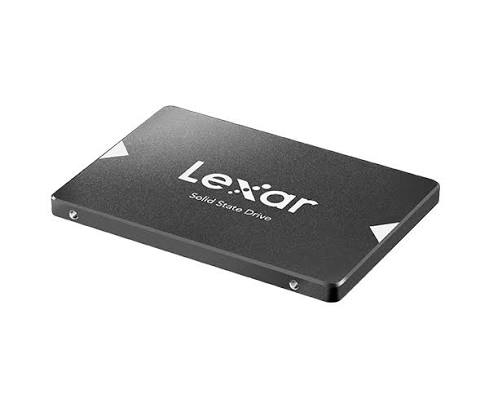
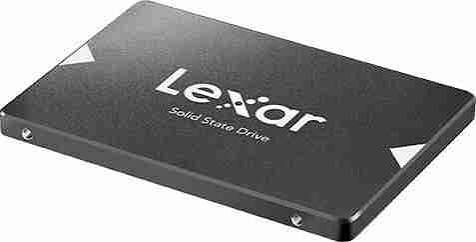

The Lexar NS100 1TB SATA SSD replaces a mechanical hard drive with solid-state storage built for everyday computing tasks. This 2.5-inch drive fits standard laptop and desktop drive bays, giving Nairobi-based users and offices an upgrade path that doesn’t require replacing the whole machine. Because the NS100 has no moving parts, it handles the vibration and heat swings common in Kenyan office environments better than a spinning disk, while also drawing less power during extended use.
SATA III Interface and Compatibility
The NS100 connects through a SATA III (6Gb/s) interface, the same standard used across most laptops and desktops built in the last decade. As a result, installation is a drop-in replacement in most cases, requiring no new cables or adapters beyond what the system already has. The drive measures 7mm in height, so it fits both slim ultrabook bays and standard desktop 2.5-inch slots without spacers.
Sequential Read and Write Performance
Sequential read speed reaches up to 550MB/s, a figure Lexar confirms across its official product documentation and third-party testing. Write speed is listed at up to 500MB/s on some distributor listings, though a few sources cite 450MB/s; this figure should be verified against Lexar’s current datasheet before publishing, since it varies by region and retailer. Either way, the NS100 moves data noticeably faster than a 5400 or 7200 RPM hard drive, which typically tops out well under 150MB/s. This speed difference shows up directly in boot times, application launches, and file transfers.
Endurance and Reliability
The 1TB NS100 carries a rated endurance of 480TB written (TBW), meaning the drive is built to handle 480 terabytes of total data writes over its lifespan before wear becomes a concern for typical use. For a user writing an average of 20GB per day, that endurance figure translates to well over 20 years of use, positioning the drive for long-term deployment rather than short-cycle replacement. The NS100 also includes S.M.A.R.T. monitoring, which reports drive health metrics that IT staff can check periodically rather than waiting for a failure warning sign.
Shock and Vibration Resistance
Since the NS100 has no spinning platters or moving read/write heads, it tolerates physical shock and vibration far better than a traditional hard drive. The drive is rated for shock resistance up to 1500G and vibration resistance across a 10Hz to 2000Hz range, specifications relevant for laptops that get moved between desks, meeting rooms, and home offices regularly. Traditional hard drives, by contrast, risk head crashes or read errors under similar physical stress.
Who the Lexar NS100 1TB Best Suits
- Office workers upgrading an aging laptop or desktop, since the 550MB/s read speed cuts boot and application load times compared to a mechanical drive without needing a full system replacement.
- Small businesses standardizing storage across multiple machines, where the 480TB TBW endurance rating supports years of daily read/write cycles without early wear concerns.
- Users working with frequently moved laptops, because the shock resistance rating of 1500G reduces the risk of data loss from drops or bumps during transport.
- Budget-conscious buyers needing 1TB of usable capacity, as the SATA III interface keeps the NS100 compatible with older systems that don’t support NVMe drives.
Storage and Interface
- Capacity: 1TB
- Interface: SATA III, 6Gb/s
- Form Factor: 2.5″, 7mm height
- Model Number: LNS100-1TRB
Performance
- Sequential Read Speed: Up to 550MB/s
- Sequential Write Speed: Up to 500MB/s (verify against current Lexar datasheet; some listings cite 450MB/s)
Endurance and Reliability
- Endurance (TBW): 480TB
- S.M.A.R.T. Support: Yes
- Shock Resistance: Up to 1500G, 0.5ms duration
- Vibration Resistance: 10Hz–2000Hz range