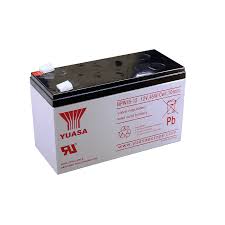
Must 5.2kva 48V lithium Battery
Must 5.2kva 48V lithium Battery represents a significant advancement in energy storage technology, combining high-capacity lithium iron phosphate cells with intelligent battery management systems. This integrated solution provides reliable backup power for homes, small businesses, and off-grid applications where consistent electricity supply is critical.
Core Technical Specifications
Power Output and Capacity
- Continuous power output: 5200VA / 4160W
- Peak power capability: up to 10,400W for 10 seconds
- Battery voltage: 48V nominal (51.2V fully charged)
- Usable capacity: typically 100Ah to 200Ah depending on configuration
- Depth of discharge: 95% usable capacity
- Round-trip efficiency: 95-97%
Battery Chemistry and Performance
- Lithium Iron Phosphate (LiFePO4) cell technology
- Cycle life: 6000+ charge/discharge cycles at 80% capacity
- Operating temperature range: -10°C to +60°C
- Storage temperature: -20°C to +60°C
- Self-discharge rate: less than 3% per month
Advanced Battery Management System
The integrated Battery Management System (BMS) continuously monitors individual cell voltages, temperatures, and current flow to ensure safe operation and maximize battery lifespan. This sophisticated protection system prevents overcharging, over-discharging, and thermal runaway conditions that could damage the battery or connected equipment.
BMS Protection Features:
- Individual cell voltage balancing
- Temperature monitoring with thermal cutoff
- Short circuit and overcurrent protection
- Communication protocols for system monitoring
- Automatic charge termination and restart functions
Lithium Technology Advantages
Performance Comparison with Traditional Batteries
Unlike lead-acid batteries that lose capacity over time and require regular maintenance, the Must 5.2kva 48V lithium Battery maintains consistent performance throughout its operational life. The lithium iron phosphate chemistry provides stable voltage output and faster charging capabilities compared to conventional battery technologies.
Key Performance Benefits:
- Maintains 80% capacity after 6000+ cycles
- Charges to 80% capacity in under 2 hours
- Operates effectively in temperature extremes
- No memory effect or voltage depression issues
- Minimal maintenance requirements during lifespan
Energy Density and Space Efficiency
The compact design of lithium battery systems allows for significant space savings compared to equivalent lead-acid installations. A single Must 5.2kva 48V lithium Battery unit can replace multiple traditional batteries while providing superior performance and reliability.
Installation Space Advantages:
- 60-70% smaller footprint than lead-acid equivalents
- Wall-mounting options for floor space conservation
- Modular design allows capacity expansion
- Reduced structural requirements due to lighter weight
Real-World Application Scenarios
Residential Backup Power Systems
Homeowners increasingly choose the Must 5.2kva 48V lithium Battery for whole-house backup systems that can power essential circuits during grid outages. The system can typically support refrigeration, lighting, communication equipment, and HVAC systems for extended periods depending on load requirements.
Typical Residential Load Support:
- Essential lighting circuits: 8-12 hours runtime
- Refrigerator and freezer: 12-24 hours continuous operation
- Internet router and communication devices: 24+ hours
- Sump pump or well pump: intermittent operation for days
- Medical equipment: continuous power for critical needs
Small Business and Commercial Applications
Commercial establishments rely on the system for maintaining operations during power interruptions, protecting inventory, and ensuring customer service continuity. The scalable design allows businesses to configure systems matching their specific power requirements.
Business Application Examples:
- Retail point-of-sale systems and payment processing
- Security system and surveillance equipment backup
- Emergency lighting and exit sign illumination
- Computer server and network equipment protection
- Medical and dental office equipment support
Off-Grid and Remote Installation Use
For properties without reliable grid connection, the Must 5.2kva 48V lithium Battery serves as the primary energy storage component in solar or wind power systems. The high cycle life makes it economically viable for daily charge and discharge applications.
Installation and System Integration
Electrical Connection Requirements
The system integrates with standard 48V inverter systems and solar charge controllers designed for lithium battery compatibility. Proper installation requires understanding of DC electrical systems and compliance with local electrical codes.
Installation Considerations:
- Compatible with PWM and MPPT solar charge controllers
- Requires lithium-compatible inverter with appropriate charging profiles
- DC disconnect switches and overcurrent protection mandatory
- Grounding and bonding per electrical code requirements
- Communication cable connections for monitoring systems
Environmental and Mounting Requirements
Proper installation environment significantly impacts battery performance and lifespan. The Must 5.2kva 48V lithium Battery operates effectively in controlled environments but requires protection from extreme conditions and physical damage.
Environmental Guidelines:
- Indoor installation preferred for optimal performance
- Adequate ventilation prevents heat buildup during charging
- Protection from direct sunlight and precipitation
- Secure mounting prevents physical shock and vibration
- Temperature monitoring in extreme climate locations
Safety Features and Certifications
Built-in Safety Systems
Modern lithium battery systems incorporate multiple safety layers to prevent hazardous conditions. The Must 5.2kva 48V lithium Battery includes thermal management, electrical protection, and communication systems that monitor operational parameters continuously.
Safety Protection Levels:
- Cell-level voltage and temperature monitoring
- Battery pack isolation during fault conditions
- Thermal runaway prevention through chemistry selection
- Short circuit protection with automatic disconnection
- Communication alerts for maintenance requirements
Industry Certifications and Standards
Compliance with international safety standards ensures the system meets stringent requirements for residential and commercial installations. These certifications provide assurance of product quality and safety performance.
Relevant Certifications:
- IEC 62619 for lithium battery safety requirements
- UN38.3 transportation safety testing
- FCC Part 15 for electromagnetic compatibility
- CE marking for European market compliance
- Local electrical code approvals where applicable
Economic Analysis and Total Cost of Ownership
Initial Investment vs. Long-term Value
While the upfront cost of the Must 5.2kva 48V lithium Battery exceeds traditional lead-acid systems, the extended lifespan and superior performance characteristics provide significant long-term value. The high cycle life translates to lower cost per kilowatt-hour over the system’s operational life.
Financial Advantages:
- 6000+ cycle life reduces replacement frequency
- Higher efficiency decreases energy waste and costs
- Minimal maintenance requirements reduce service expenses
- Faster charging capabilities improve system utilization
- Warranty coverage protects initial investment value
Energy Cost Savings and Grid Independence
For grid-tied systems with time-of-use electricity rates, the battery enables energy arbitrage by storing power during low-rate periods and discharging during peak rate times. This capability can significantly reduce monthly electricity costs while providing backup power security.
Cost Reduction Strategies:
- Peak shaving reduces demand charges for commercial users
- Load shifting takes advantage of time-of-use rate structures
- Solar self-consumption maximizes renewable energy utilization
- Grid independence eliminates utility connection fees in remote areas
Monitoring and Maintenance Requirements
System Monitoring Capabilities
Advanced communication interfaces allow users to monitor battery performance, state of charge, and system health through smartphone applications or web-based platforms. This connectivity enables proactive maintenance and optimizes system performance.
Monitoring Features Available:
- Real-time state of charge and power flow display
- Historical data logging for performance analysis
- Alert notifications for maintenance or fault conditions
- Remote system configuration and parameter adjustment
- Integration with home automation and energy management systems
Maintenance Procedures and Service Life
The Must 5.2kva 48V lithium Battery requires minimal routine maintenance compared to traditional battery systems. Regular monitoring and periodic inspection ensure optimal performance throughout the extended service life.
Maintenance Requirements:
- Monthly visual inspection of connections and housing
- Quarterly performance review through monitoring system
- Annual capacity testing to verify system health
- Connection torque verification during service calls
- Software updates for BMS and communication systems
Technical Support and Warranty Protection
Manufacturer Support Services
Comprehensive technical support includes installation guidance, troubleshooting assistance, and replacement part availability. Professional support services help ensure proper system operation and maximize investment protection.
Available Support Resources:
- Technical hotline for installation and operational questions
- Online documentation and troubleshooting guides
- Authorized dealer network for local service support
- Firmware updates and system optimization recommendations
- Training programs for installers and service technicians
Warranty Coverage and Performance Guarantees
Standard warranty protection covers manufacturing defects and provides performance guarantees that ensure the battery maintains specified capacity over time. Extended warranty options provide additional protection for critical installations.
Warranty Terms Typically Include:
- 10-year limited warranty on battery performance
- Capacity retention guarantee (typically 80% after 6000 cycles)
- Manufacturing defect coverage for electrical components
- BMS and communication system protection
- Pro-rated replacement coverage for premature capacity loss