Solar Power Backup Installation for Home: Your Complete Guide to Reliable Energy Independence
Power outages have become increasingly common in many parts of Kenya, disrupting daily life and affecting everything from work productivity to food preservation. Whether it’s scheduled load shedding or unexpected grid failures, homeowners are seeking reliable solutions to keep their homes running smoothly. Solar power backup installation for home has emerged as the most sustainable and cost-effective answer to this growing challenge.
Understanding Solar Power Backup Systems
A solar power backup system is more than just solar panels on your roof. It’s an integrated solution that combines solar energy generation with battery storage, allowing you to harness the sun’s power during the day and use it whenever you need it, especially during grid outages. Unlike traditional diesel generators that require constant fuel and maintenance, solar backup systems provide clean, quiet, and virtually maintenance-free power for years.
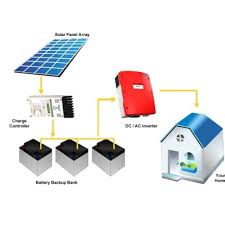
The beauty of a home solar backup installation lies in its ability to work seamlessly with the grid. During normal operation, your solar panels generate electricity that powers your home while charging your battery bank. Any excess energy can either be stored or fed back to the grid, depending on your setup. When the grid fails, your system automatically switches to battery power, ensuring uninterrupted electricity supply to your essential appliances.
Key Components of a Home Solar Backup System
Understanding the components of your solar backup system helps you make informed decisions during installation and maintenance. Each element plays a crucial role in ensuring reliable power delivery.
Solar Panels: These are the foundation of your system, converting sunlight into direct current (DC) electricity. The number and capacity of panels you need depend on your daily energy consumption and available roof space. Quality solar panels typically last 25 years or more, making them an excellent long-term investment.
Solar Inverter: The heart of any solar installation is the solar inverter, which converts DC electricity from your panels into alternating current (AC) that your home appliances use. Modern hybrid solar inverters like the Must 1KW hybrid PS Solar inverter (MPPT) combine multiple functions in one unit, including battery charging, solar power optimization, and grid interaction. MPPT (Maximum Power Point Tracking) technology ensures you extract maximum power from your solar panels across varying weather conditions.
Battery Storage: Your solar batteries store excess energy for use during nighttime or power outages. Deep cycle solar batteries like the Solarpex Solar Battery 12V 200AH are specifically designed for solar applications, offering thousands of charge-discharge cycles. Gel batteries provide maintenance-free operation, excellent deep discharge capabilities, and safe operation in any position.
Charge Controller: This component regulates the charging of your batteries, preventing overcharging and extending battery life. Most modern hybrid inverters have integrated charge controllers with MPPT technology for optimal charging efficiency.
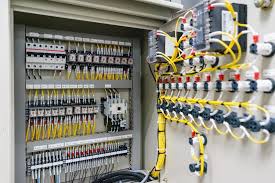
Additional Electrical Components: Professional installation requires various electrical and electronics components including circuit breakers, surge protection, cable management systems, and proper grounding equipment to ensure safe and efficient operation.
Determining Your Solar Backup System Size
One of the most critical aspects of solar power backup installation for home use is correctly sizing your system. An undersized system won’t meet your power needs during outages, while an oversized system represents unnecessary upfront investment.
Start by calculating your essential load—the appliances you must keep running during a power outage. This typically includes lighting, refrigeration, communication devices, security systems, and perhaps a few entertainment devices. A typical Kenyan home’s essential load ranges from 500 watts to 3000 watts, depending on lifestyle and family size.
Next, estimate how many hours of backup power you need. Most homeowners target 8-12 hours of backup, ensuring power through the night until solar generation resumes in the morning. Multiply your essential load by the desired backup hours to determine your required battery capacity.
For example, if your essential load is 1000 watts and you want 10 hours of backup, you need 10 kilowatt-hours (kWh) of battery storage. Accounting for battery efficiency and depth of discharge limitations, you might need 15 kWh of nominal battery capacity.
Professional Installation Process
While some homeowners are tempted to DIY their solar installations, professional installation ensures safety, optimal performance, and compliance with local electrical codes. Here’s what a typical professional solar backup installation involves:
Site Assessment: Qualified technicians evaluate your roof structure, orientation, shading patterns, and electrical system. They assess your energy consumption patterns and recommend the optimal system size and configuration.
System Design: Engineers design a custom solution that meets your specific needs, considering factors like roof space, budget, and future expandability. This includes selecting appropriate solar panels, inverters, batteries, and electrical components.
Permits and Approvals: Professional installers handle necessary permits and utility company approvals, ensuring your installation complies with local regulations and building codes.
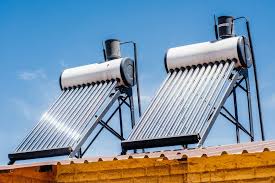
Physical Installation: Technicians mount solar panels on your roof using weather-resistant mounting systems, install the inverter and batteries in a suitable location (preferably cool and ventilated), and complete all electrical connections following safety standards.
System Configuration: The inverter is programmed with optimal charging parameters, backup priorities, and grid interaction settings. Modern inverters like the 1.5kVA MUST Inverter Charger Pure Sine Wave offer comprehensive LCD displays for easy configuration and monitoring.
Testing and Commissioning: Before handover, installers test all system functions including solar generation, battery charging, automatic transfer to backup mode, and safe operation under various conditions.
Benefits of Solar Power Backup for Homes
Investing in solar power backup installation for your home offers numerous advantages that extend beyond just having electricity during outages.
Reliable Power Supply: Your home remains functional during grid failures, protecting your family’s comfort and safety. Refrigerated food stays fresh, security systems remain active, and communication devices stay charged.
Significant Cost Savings: While the initial investment is substantial, solar backup systems pay for themselves through reduced electricity bills and elimination of generator fuel costs. In Kenya’s sunny climate, solar panels generate abundant free electricity throughout the year.
Environmental Responsibility: Solar power backup systems produce zero emissions during operation, reducing your carbon footprint significantly compared to diesel generators. You contribute to a cleaner environment while enjoying reliable power.
Energy Independence: Reduce your dependence on the unreliable grid and volatile fuel prices. Your solar system continues generating power regardless of utility company challenges or fuel supply disruptions.
Increased Property Value: Homes with solar backup systems command premium prices in the real estate market. Potential buyers recognize the value of energy security and lower operating costs.
Quiet Operation: Unlike noisy generators that disturb your neighborhood, solar backup systems operate silently. Your inverter and batteries provide power without any noise pollution.
Maintenance and Care for Long-Term Performance
Solar power backup systems require minimal maintenance compared to traditional backup solutions, but some attention ensures optimal long-term performance.
Solar Panel Cleaning: Dust and debris reduce panel efficiency. Clean your panels every few months using water and a soft brush, especially during dry seasons. Many homeowners find that rain provides sufficient cleaning in wetter months.
Battery Maintenance: Modern gel batteries are maintenance-free, but regular inspection ensures early detection of any issues. Check battery terminals for corrosion, ensure proper ventilation around batteries, and monitor voltage levels through your inverter display.
System Monitoring: Most modern inverters offer monitoring capabilities through LCD displays or smartphone apps. Regular monitoring helps you identify performance issues early and optimize your energy usage patterns.
Professional Servicing: Schedule annual inspections with qualified technicians who can check electrical connections, test safety systems, and update inverter firmware if needed.
Choosing the Right Solar Backup Provider
The success of your solar power backup installation largely depends on choosing a reputable provider with proven expertise. Look for companies with extensive experience in solar installations, quality product offerings from established manufacturers, and comprehensive after-sales support including warranty service and technical assistance.
Professional installers should provide transparent pricing, detailed quotations, and realistic performance expectations. They should be willing to show you previous installations and provide customer references. Companies that offer both supply and installation services ensure better system integration and single-point accountability.
Cost Considerations and Return on Investment
The cost of solar power backup installation for home use varies based on system size, component quality, and installation complexity. A basic system powering essential loads might start around KSh 150,000, while comprehensive whole-home backup solutions can exceed KSh 500,000.
However, viewing solar backup purely as an expense misses the complete picture. Consider the lifetime value: eliminated generator fuel costs, reduced electricity bills, avoided losses from spoiled food and damaged electronics during outages, and increased property value. Most homeowners achieve payback within 5-8 years, after which they enjoy virtually free electricity for another 15-20 years.
Future-Proofing Your Solar Investment
Technology continues advancing, making solar backup systems more efficient and affordable. When planning your installation, consider future expandability. Many homeowners start with a basic system covering essential loads and later expand capacity as budgets allow.
Modular battery systems allow easy capacity increases by adding more battery banks. Inverters with higher capacity ratings than your initial needs provide room for future expansion. Quality mounting systems can accommodate additional solar panels as your energy requirements grow.
Taking the First Step
Solar power backup installation for home use represents a significant but worthwhile investment in your family’s comfort, safety, and energy independence. The technology has matured to the point where systems are reliable, efficient, and increasingly affordable.
Start by conducting an energy audit of your home to understand your consumption patterns and essential loads. Consult with experienced solar installers who can assess your specific situation and recommend appropriate solutions. Request detailed quotations from multiple providers, comparing not just prices but also component quality, warranties, and after-sales support.
Remember that the cheapest option often proves most expensive in the long run through poor performance, frequent repairs, and shortened lifespan. Invest in quality components from reputable manufacturers and professional installation from experienced technicians.
The sun provides abundant free energy every day. With a properly designed and installed solar power backup system, you can harness this renewable resource to power your home reliably, reduce your environmental impact, and achieve energy independence. The only question is: how much longer will you wait to make this transformation?
Looking for quality solar inverters, batteries, and electrical components for your home backup installation? Visit Proftech Power System’s electrical and electronics section to explore our comprehensive range of solar backup solutions and professional installation services.
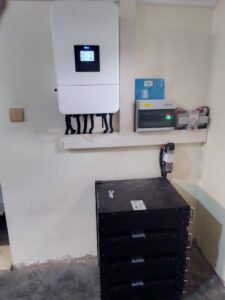
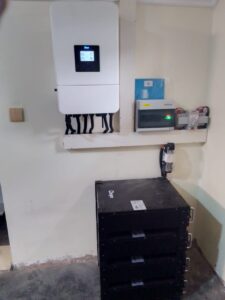
some of the jobs we have Done

 No products in the cart.