
Biometric and RFID Access Control Systems in Kenya: Complete Implementation Guide
Access control technology has transformed how Kenyan organizations manage security and monitor personnel movement. From manufacturing facilities in Thika to corporate offices in Westlands, biometric and RFID access control systems now replace traditional lock-and-key methods with intelligent verification that tracks who enters restricted areas and when.
Understanding Access Control Technology
Biometric access control systems verify identity using unique physical characteristics. A fingerprint scanner captures the ridge patterns on a person’s finger, converts this data into a digital template, and compares it against enrolled users in the database. When someone places their finger on the reader, the system matches the scanned pattern within milliseconds and either grants or denies access based on authorization levels.
RFID (Radio Frequency Identification) access control operates differently. Users carry proximity cards or key fobs containing embedded chips that transmit identification data when held near a reader. The reader receives this signal, validates the credentials against the system database, and triggers the door lock mechanism if authorized. RFID systems typically operate at either 125kHz (low frequency) or 13.56MHz (high frequency), with the higher frequency offering enhanced security and faster read times. The ZKTeco SCR100 RFID Access Control terminal exemplifies compact RFID solutions suitable for small to medium installations.
How Access Control Systems Function in Kenyan Environments
A complete access control system in Kenya consists of several interconnected components working together. The access control panel serves as the system’s brain, processing verification requests and managing communication between readers, locks, and the central software. This panel connects to door readers mounted at entry points, electromagnetic or electric strike locks that secure the doors, and exit buttons or sensors for egress.
The system administrator configures user permissions through management software, defining which employees can access specific doors during particular time periods. For instance, a Nairobi warehouse might allow production staff access to the factory floor from 6 AM to 6 PM Monday through Saturday, while restricting server room access to IT personnel only during business hours.
Power reliability presents a significant consideration for Kenyan installations. Most access control systems require uninterruptible power supply (UPS) backup to maintain operation during the frequent power outages affecting many regions. Quality systems store access events in local memory, ensuring no data loss even during extended power failures. When grid power resumes, the system automatically synchronizes with the central database.
Biometric Technology Types and Applications
Fingerprint recognition remains the most widely deployed biometric technology in Kenya due to its balance of accuracy, speed, and affordability. Modern optical fingerprint sensors capture high-resolution images even from worn or dry fingers, a crucial feature for manufacturing environments where employees perform manual labor. The ZKTeco K40 biometric time attendance terminal utilizes professional-grade optical sensor technology that captures fingerprint images at 500 DPI resolution, ensuring accurate recognition even for employees with challenging fingerprint conditions.
Facial recognition systems have gained adoption in high-security facilities and executive areas. These cameras capture facial geometry—measuring the distance between eyes, nose, and mouth—then compare this biometric template against enrolled users. The ZKTeco uFace 800 Plus combines facial recognition with fingerprint scanning and RFID card authentication, delivering comprehensive multi-modal biometric verification suitable for medium to large organizations.
Palm vein recognition represents the highest security tier, scanning the unique vein pattern beneath the skin. Banks, data centers, and government facilities handling sensitive information deploy this technology because palm vein patterns cannot be copied or forged. The technology works by illuminating the palm with near-infrared light, which hemoglobin in the blood absorbs, making vein patterns visible to the scanner.
RFID Access Control Implementation
RFID proximity cards function through electromagnetic coupling between the card’s embedded chip and the reader’s antenna. When a user presents their card within range (typically 3-10 centimeters), the reader’s electromagnetic field powers the passive chip, which then transmits its unique identifier. This contactless operation means no mechanical wear, resulting in longer card lifespan compared to magnetic stripe systems.
Card formats matter significantly for security and compatibility. EM (Electromagnetic) cards operating at 125kHz offer basic security suitable for general office environments. Mifare cards using 13.56MHz provide encrypted communication, making them appropriate for applications requiring stronger protection against cloning. HID cards incorporate additional security features and dominate corporate installations across Kenya.
Key fobs offer the same RFID functionality in a more compact, durable form factor. Security guards, maintenance staff, and employees working in industrial environments often prefer fobs because they attach easily to belt loops or key rings and withstand rough handling better than cards.
System Integration with Time Attendance Management
Most Kenyan organizations deploy access control systems that simultaneously track employee attendance. When staff members scan their fingerprint or card to enter the premises, the system records this event as a clock-in transaction. The ZKTeco iClock 680 Fingerprint Time Attendance & Access Control Terminal automatically records employee clock-in and clock-out events with precise timestamp accuracy, eliminating manual timesheet errors while ensuring comprehensive attendance documentation.
Integration with payroll software streamlines compensation processing. The access control system exports attendance data showing each employee’s work hours, late arrivals, and early departures. Payroll administrators import this data directly, calculating wages based on actual hours worked rather than estimated or self-reported time. This automation typically reduces payroll processing time by 60-70% while improving accuracy. Cloud-based solutions like ZKTeco ZKBioTime 8 enable centralized management of time attendance across multiple locations from a single web interface.
Manufacturing facilities and call centers benefit particularly from shift management features. The system can automatically track which employees reported for specific shifts, generate attendance reports by department or supervisor, and flag exceptions requiring management review. Some implementations even prevent employees from clocking in more than 15 minutes before their scheduled shift starts, controlling overtime costs.
Installation Process and Technical Requirements
Professional access control installation begins with a detailed site assessment. Technicians evaluate door types (wooden, metal, glass), existing infrastructure (network cabling, power availability), and security requirements for each access point. This assessment determines hardware specifications—for instance, glass doors require electromagnetic locks rated for their weight and frame type.
Network infrastructure critically impacts system performance. IP-based access control systems require structured cabling connecting each door controller to the central server. Category 6 Ethernet cable supports both data transmission and Power over Ethernet (PoE), simplifying installation by eliminating separate power supplies at each door. The ZKTeco PE162-200-C 16 Port PoE Switch provides network connectivity and power for up to 16 access control devices simultaneously through PoE technology, supporting data and power transmission over distances up to 250 meters using Cat 6 cables.
Door hardware selection varies by security level and traffic volume. Electromagnetic locks (maglocks) provide strong holding force (typically 600-1200 pounds) and work with any door type, making them popular for main entrances and high-security areas. Electric strike locks integrate into the door frame, allowing traditional mechanical key override—a feature many organizations require for emergency access. Motorized locks suit glass doors and automatic sliding doors common in modern Kenyan office buildings.
Configuration and User Management
System administrators configure access control through centralized management software running on a dedicated server or cloud platform. This software manages the complete user database, defining credentials, permission levels, and time schedules for every employee. Adding a new user requires enrolling their biometric template or assigning an RFID card, then selecting which doors they can access and during what hours.
Access levels organize permissions efficiently. Rather than configuring each user individually, administrators create access groups—for example, “Production Staff,” “Management,” or “After-Hours Maintenance”—then assign users to appropriate groups. When business needs change, modifying the group permissions automatically updates all assigned users.
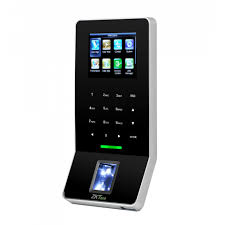
Anti-passback features prevent security breaches where authorized users allow others through doors. The system tracks each user’s location based on their access events. If someone attempts to enter through an interior door without having first entered through the main entrance, the system denies access and generates an alert. This functionality proves essential for preventing tailgating and unauthorized access in multi-zone facilities. The ZKTeco F18 fingerprint biometric terminal provides anti-passback protection along with daylight saving time adjustment and event record query capabilities.
Kenya-Specific Implementation Considerations
Humidity and dust affect biometric reader performance in Kenya’s diverse climate zones. Coastal installations in Mombasa require readers with higher ingress protection (IP) ratings to resist salt air and moisture. Nairobi offices function well with standard IP54-rated readers, while factories producing cement, flour, or other particulates need IP65 or higher to prevent dust infiltration that degrades fingerprint recognition.
GSM connectivity provides an alternative where reliable internet connections prove unavailable. Some access control systems incorporate 3G/4G modems, transmitting access events and receiving configuration updates via mobile networks. This capability particularly benefits organizations with multiple branch locations across Kenya where installing dedicated internet connections becomes cost-prohibitive. The ZKTeco uFace 800 multi-biometric terminal supports Wi-Fi and GPRS connectivity options alongside traditional RS232/485 and TCP/IP communication methods.
Local technical support availability influences system selection significantly. ZKTeco maintains authorized distributors in Nairobi providing training, installation support, and warranty service. Organizations deploying access control across multiple sites benefit from partnering with suppliers who stock replacement parts locally rather than importing components from overseas when failures occur.
Maintenance and System Reliability
Routine maintenance extends system lifespan and ensures consistent operation. Biometric readers require monthly cleaning to remove fingerprint residue, dust, and skin oils that accumulate on scanning surfaces. Readers installed in high-traffic areas need more frequent cleaning—sometimes weekly—to maintain optimal recognition accuracy.
Access control panels need annual inspection of wiring connections, power supplies, and backup batteries. UPS batteries typically last 2-3 years before requiring replacement. Facilities managers should test door locks quarterly to verify they engage and release properly, as mechanical components wear over time, particularly on heavily used entrances. The ZKTeco BioPro SA20 offers a cost-effective solution for small and medium-sized businesses requiring reliable fingerprint recognition with full access control features including door control, time zone settings, and comprehensive access logs.
Software updates address security vulnerabilities and add new features. Reputable manufacturers release firmware updates several times yearly, which system administrators should install during scheduled maintenance windows. Database backups protect against data loss—daily automated backups to both local and cloud storage provide comprehensive protection.
Cost Considerations for Kenyan Installations
Access control system costs vary significantly based on the number of doors, technology selected, and installation complexity. A basic single-door RFID system suitable for a small office starts around KES 35,000-50,000 including hardware, installation, and configuration. Multi-door systems serving 5-10 access points typically range from KES 200,000-400,000.
Biometric systems cost 20-30% more than equivalent RFID installations due to higher reader prices and more complex enrollment processes. However, biometric technology eliminates card management costs—no lost card replacements, no card production expenses, and no security risks from employees sharing cards.
Ongoing costs include technical support contracts (typically 10-15% of hardware cost annually), replacement cards or fobs for RFID systems, and periodic hardware upgrades as technology advances. Organizations should budget for these operational expenses when calculating total cost of ownership over the system’s expected 7-10 year lifespan.
Selecting the Right Access Control Solution
Organizations should evaluate access control systems based on scalability, integration capabilities, and user capacity rather than initial purchase price alone. A system supporting 500 users that requires complete replacement when the company grows to 600 employees ultimately costs more than a scalable platform accommodating growth through simple software licensing.
Integration with existing security infrastructure delivers additional value. Access control systems that interface with CCTV cameras automatically capture images when doors open, providing visual verification of who accessed each area. Integration with burglar alarm systems allows arming/disarming zones based on employee access patterns, reducing false alarms from authorized after-hours access.
Cloud-based access control platforms offer management flexibility for organizations with multiple locations. Administrators configure all sites from a central web portal, generating consolidated reports showing access activity across the entire organization. Mobile apps allow authorized personnel to grant temporary access to visitors or contractors remotely, eliminating delays when building managers aren’t physically present.
Biometric and RFID access control systems provide Kenyan organizations with reliable security, accurate attendance tracking, and detailed access audit trails that traditional locks cannot match. Proper system selection, professional installation, and ongoing maintenance ensure these systems deliver years of dependable service while adapting to changing security requirements.
 No products in the cart.